
Published June 7, 2018
REAL ESTATE RELOCATION GUIDE: 7 STEPS TO A SEAMLESS MOVE

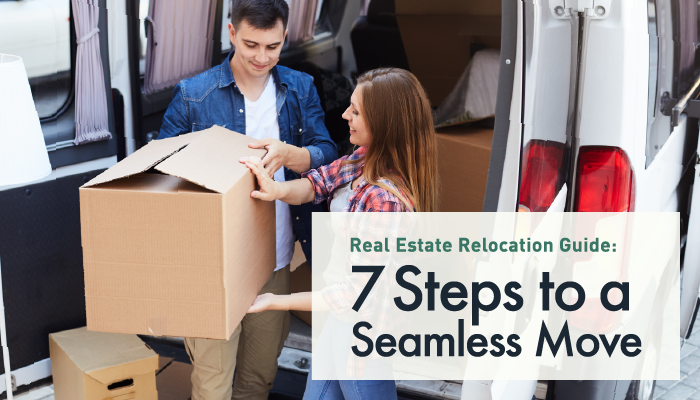
Whatever your reasons are for relocating to a new area, the process can feel overwhelming. Whether you’re moving across town or across the country, you’ll be changing more than your address. Besides a new house, you may also be searching for new jobs, schools, doctors, restaurants, stores, service providers and more. Of course you’ll need to pack, make moving arrangements, and possibly sell your old home. With so much to do, you may be wondering: Where do I start?
In this guide, we outline seven steps to help
you get prepared, get organized, and get settled in your new community. Our
hope is to alleviate the hassle of relocating—so you can focus on the exciting
adventure ahead!
1. Gather Information
If you’re unfamiliar with your new area, start by doing some research.[1] Look for data on average housing prices, demographics, school rankings and crime statistics. Search for maps that illustrate local geography, landmarks, public transportation routes and major interstates. If you’re moving across the country, research climate and seasonal weather patterns.
If you’re relocating for a job, find out if your new employer offers any relocation assistance. Many large corporations have a designated human resources professional to assist employees with relocation efforts, while others may contract this service out to a third party. Some employers will also cover all or a portion of your relocation and moving costs. By gathering this information up front, you’ll be better prepared to make informed decisions down the road.
2.
Identify Your Ideal Neighborhoods
Once you’ve sufficiently researched your new
area, you can start to identify your ideal neighborhoods.
The first step is to prioritize your “needs”
and “wants.” Consider factors such as budget; commute time; quality of schools;
crime rate; walk-ability; access to public transportation; proximity to
restaurants, shopping, and place of worship; and neighborhood vibe.
If possible, visit the area in person to get a
feel for the community. If you’re comfortable, strike up conversations with
local residents and ask about their experiences living in the area.
Still not sure which neighborhood is the best
fit for you and your family? Contact a local real estate agent for expert
assistance. It’s usually the most efficient and effective way to narrow down
your options.
3. Find
Your New Home (and Sell Your Old One)
Once you’ve narrowed down your list of preferred neighborhoods, it’s time to start looking for a home. If you haven’t already contacted a real estate agent, now is the time. They can search for current property listings that meet your needs, typically at no cost to you.
If you already own a home, you’ll also need to start the process of selling it or renting it out. A real estate agent can help you evaluate your options based on current market conditions. He or she can also give you an idea of how much equity you have in your current home so you know how much you can afford to spend on your new one.
Your agent can also advise you on how to time your sale and purchase. While some buyers are able to qualify for and cover the costs of two concurrent mortgages, many are not. There are a number of options available, and a skilled agent can help you determine the best course given your circumstances.
4.
Prepare for Your Departure
Allow yourself plenty of time to pack up your belongings. Before you start, gather supplies, including boxes, tape, tissue paper and bubble wrap. Begin with non-essentials—such as off-season clothes or holiday decorations—and sort items into four categories: take, trash, sell and donate/give away.[2]
To make the unpacking process easier, be sure
to label the top and sides of boxes with helpful information, including
contents, room, and any special instructions. Keep a master inventory list so
you can refer back to it if something goes missing.
If you will be using a moving company, start
researching and pricing your options. To ensure an accurate estimate of your
final cost, it’s best to have them conduct an in-person walk-through. Make sure
you’re working with a reputable company, and avoid paying a large deposit
before your belongings are delivered.[3]
Lastly, if you will be leaving friends or
family behind, schedule final get-togethers before your departure. The last
days before moving can be incredibly hectic, so make sure you block off some
time in advance for proper goodbyes.
5.
Prepare for Your Arrival
To make your transition go smoothly, prepare
for your arrival well before moving day. Depending on how long your belongings
will take to arrive, you may need to arrange for temporary hotel
accommodations. If you plan to move in directly, pack an “essentials box” with
everything you’ll need for the first couple of nights in your new home, such as
toiletries, toilet paper, towels, linens, pajamas, cell phone chargers, snacks,
pet food and a change of clothes.4 This will keep you from
searching through boxes after an exhausting day of moving.
Arrange in advance for your utilities to be
turned on, especially essentials like water, electricity and gas. (And while
you’re at it, schedule a shut-off date for your current utilities.) Update your
address on all accounts and subscriptions and arrange to have your mail
forwarded through the postal service. If you have children, register them for
their new school or daycare and arrange for the transfer of any necessary records.
You may want to have the house professionally
cleaned before moving in. If there are no window treatments, you may need to
install some (or at least put up temporary privacy film), especially in
bedrooms and bathrooms. And if appliances are missing, consider purchasing them
ahead of time and arranging for delivery and installation shortly after you
arrive. Just be sure to check measurements and installation instructions
carefully so you aren’t stuck with an appliance that doesn’t fit or that requires
costly modifications to your new home.
6. Get
Settled In Your New Home
While staring at an endless pile of boxes can
feel daunting, you should take advantage of this opportunity to make a fresh
start. By creating a plan ahead of time, you can ensure your new house is
thoughtfully laid out and well organized.
If you followed our suggestion to pack an “essentials box” (see Step 5), you should have easy access to everything you’ll need to get you through the first couple of nights in your new home. This will allow you some breathing room to unpack your remaining items in a deliberate manner, instead of rushing through the process.[4]
If you have young children, consider unpacking
their rooms first. Seeing their familiar items can help them establish a sense
of comfort and normalcy during a confusing time. Then move on to any items you
use on a daily basis.[5]
Pets can also get overwhelmed by a new,
unfamiliar space. Let them adjust to a single room first, which should include
their favorite toys, treats, food and water bowl, and a litter box for cats.
Once they seem comfortable, you can gradually introduce them to other rooms in
the home.[6]
Although you may be eager to get everything
unpacked, it’s important to take occasional breaks. Have some fun, relax and
explore your new hometown!
7. Get
Involved In Your New Community
Studies show that moving can lead to feelings
of loneliness and depression. People who have recently moved tend to be
isolated socially, more stressed, and less likely to participate in exercise
and hobbies. However, there are ways to combat these negative effects.[7]
First, get out and explore. In a 2016 study,
recent movers were shown to spend less time on physical activities and more
time on their computers, which has been proven to lead to feelings of
depression and loneliness. Instead, get out of your house and investigate your
new area. And if you travel by foot, you’ll gain the advantages of fresh air
and exercise.[7]
Combat feelings of isolation by making an effort to meet people in your new community. Find a local interest group, take a class, join a place of worship or volunteer for a cause. Make an effort to introduce yourself to your new neighbors, invite them over for coffee or dinner, and offer assistance when they need it.
Once you’ve developed friendships and a support system within your new neighborhood, it will truly start to feel like home.
LET’S
GET MOVING
While moving is never easy, these seven steps
offer an action plan to get you started on your new adventure. To avoid getting
overwhelmed, focus on one step at a time. And don’t hesitate to ask for help!
In a 2015 study, 61 percent of participants
ranked moving at the top of their stress list, above divorce and starting a new
job.[8] But with a little preparation—and the right team of professionals to
assist you—it is possible to have a positive relocation experience.
We
specialize in assisting home buyers and sellers with a seamless and
“less-stress” relocation. Along with our referral network of movers, handymen,
housekeepers, decorators, contractors and other service providers, we can help
take the hassle and headache out of your upcoming move. Give us a call or message us to schedule a free, no-obligation
consultation!
Sources:
1. You Move Me -
https://www.youmoveme.com/us/blog/105-tips-for-a-successful-relocation
2. The Spruce -
https://www.thespruce.com/starting-to-pack-for-your-move-2436470
3. Moving.com -
https://www.moving.com/tips/hiring-quality-movers/
4. The Spruce -
https://www.thespruce.com/unpack-your-entire-home-2435815
5. Moving.com -
https://www.moving.com/tips/how-to-unpack-and-organize-your-house/
6. ASPCA -
https://www.aspca.org/pet-care/general-pet-care/moving-your-pet
7. Psychology Today -
https://www.psychologytoday.com/us/blog/is-where-you-belong/201607/why-youre-miserable-after-move
8. The Daily Express -
https://www.express.co.uk/news/uk/574171/Divorce-stressful-moving-home